




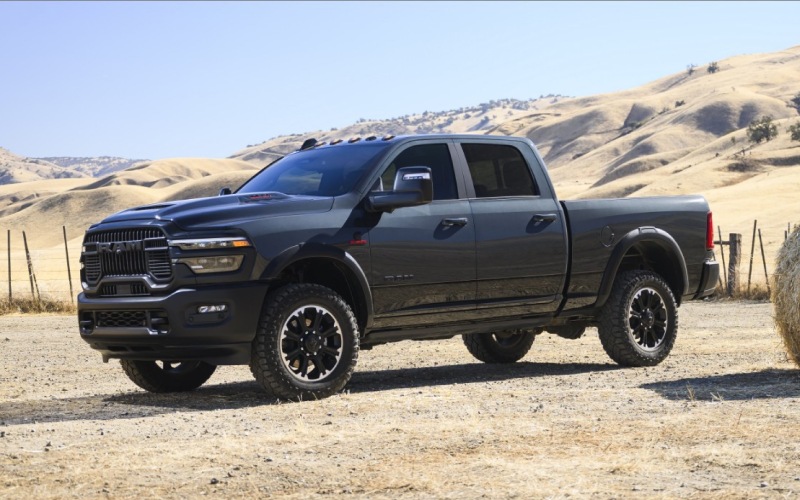
Hillsboro Ram - Which truck has the better tech for towing and daily work around Waxahachie, TX — the 2026 Ram 2500 or the 2026 Ford Super Duty F-250?
When shoppers compare heavy-duty trucks, one question comes up again and again: which one delivers smarter technology that genuinely makes towing easier and everyday work faster? If your routes stretch along US-287 and the I-35E corridor near Waxahachie, TX, you need a truck that feels just as composed in a tight equipment yard as it does on the highway. Here’s a deep dive into how the Ram and Ford stack up where it matters—screens, cameras, trailer aids, and power to your tools—so you can pick with confidence.
Cabin technology that speeds up the day
The Ram puts a clear emphasis on visibility and usability. Its available Uconnect 5 NAV system runs on a Largest-in-Class 14.5-inch touchscreen, making tow-specific navigation, camera views, and settings easier to see and faster to use. The Class-Exclusive available 10.25-inch Front Passenger Interactive Display allows your co-pilot to handle navigation, camera switching, and media independently—hugely helpful when you're lining up a trailer in a tight spot. Ford’s SYNC 4 system is a workhorse with a 12-inch center display, snappy responses, and excellent voice control. It’s a capable setup, but if you prize maximum screen real estate and a second screen for the right-seat spotter, Ram holds the edge.
Trailer cameras and backing aids
Driver-assist features designed around trailers can save time and nerves. Ram’s available 360-degree Surround View Camera and available 360-degree Trailer Surround View Camera provide a top-down perspective of the truck and trailer, plus multiple selectable views to keep an eye on blind spots. Trailer Tow Pages in the digital cluster bring key data like trailer brake status and tire pressures (with available Trailer Tire Pressure Monitoring) front and center. The available Trailer Reverse Steering Control system lets you dial the trailer’s path with a knob while the system steers the truck—clear and confidence-inspiring when backing to a loading dock or a campsite.
Ford counters with strong towing technology of its own. Pro Trailer Backup Assist is an intuitive way to guide a trailer while the truck manages steering, and Pro Trailer Hitch Assist helps center on a hitch. Onboard Scales with Smart Hitch is a smart idea for managing tongue weight and payload. These are excellent tools, and the Blue Oval brings a thoughtful package together. Still, for shoppers looking for maximum camera coverage and cluster-level trailer data, Ram tends to feel more integrated and comprehensive out of the box.
Power to your tools and devices
A truck that doubles as a power source can keep your crew moving. Ram offers available Best-in-Class Onboard Power up to 2.4 kW, which is great for running saws, compressors, or lights without hunting for outlets. Ford’s Pro Power Onboard delivers up to 2.0 kW on the Super Duty—very useful, and a real advantage versus trucks without bed power. If you regularly power heavier tools or multiple devices, that extra 0.4 kW in the Ram is meaningful headroom.
Ride, stability, and fuel range when towing
Ram’s Class-Exclusive available Auto-Level Rear Air Suspension helps the truck sit level under load and smooths out nasty surfaces, aiding stability while towing. Add the available Automatic Smart Exhaust Brake on diesel models and downhill descents become much more controlled. Factor in an available 50-gallon fuel tank on Crew Cab 8-foot bed models and you have fewer stops on longer routes with a trailer in tow. Ford’s Super Duty frame is rock solid, and the Tremor Off-Road Package is a notable advantage for soft-surface job access, hunting leases, and outdoor sites. Both ride well for heavy-duty platforms, but the Ram’s built-in load-leveling and downhill control tools are a boon if you frequently swap between loaded and unloaded driving in a single day.
- Screen size: Ram’s available 14.5-inch display is the largest in class, while Ford’s SYNC 4 tops out at 12 inches.
- Passenger screen: Ram offers a Class-Exclusive 10.25-inch Front Passenger Interactive Display; Ford does not offer a passenger-side screen.
- Trailer backing aid: Both trucks offer factory-integrated systems that steer the truck while you guide the trailer’s path.
- Camera coverage: Ram offers available 360-degree Trailer Surround View Camera; Ford offers robust multi-view camera options; check specific packages.
- Onboard power: Ram offers up to 2.4 kW available; Ford provides up to 2.0 kW.
- Load leveling: Ram’s Auto-Level Rear Air Suspension is Class-Exclusive; Ford uses traditional spring setups.
Engines and towing numbers—quick context
Ram’s available High-Output 6.7L Cummins Turbo Diesel I6 posts 430 horsepower and a Best-in-Class available base diesel torque rating of 1,075 lb-ft, enabling up to 20,000 pounds of available diesel towing. Its eight-speed TorqueFlite HD transmission is tuned for smooth, predictable shifts with or without a trailer. Ford offers four strong engines, including the High Output 6.7L Power Stroke V8 Turbo Diesel with big top-end numbers. If your work regularly calls for the highest available peak torque, Ford’s HO diesel is a standout; if your day-to-day towing benefits more from base torque leadership and a refined, quiet diesel with an excellent exhaust brake, Ram is a great match.
Practical cabin touches are another Ram advantage: in-floor Ram Bins, a fold-flat load floor, multiple rear-seat fold configurations, and the available RamBox Cargo Management System (lockable, drainable, and LED-lit) make it simple to keep gear accessible and secure. Those features reduce the back-and-forth between cab and bed and help you close out the day with less clutter.
Ultimately, the “better tech” answer depends on which features you’ll use most. If your priority list reads “biggest screens, most camera coverage around the trailer, more onboard power, and load-leveling suspension,” the Ram setup is likely to feel like it was built around your to-do list. If you’re focused on off-road access and a strong suite of integrated tow aids with a familiar SYNC interface, Ford’s approach is compelling. The smartest next step is hands-on time with the features that matter to you.
If you’d like a guided comparison tailored to your trailers, routes, and typical payloads, our specialists at Hillsboro Chrysler Dodge Jeep Ram can walk you through trims and packages, then set up back-to-back drives so you can experience the systems in action.
Frequently Asked Questions:
Can both trucks help me back a trailer without a spotter?
Yes. Ram offers available Trailer Reverse Steering Control that lets you guide the trailer with a knob while the system steers. Ford provides Pro Trailer Backup Assist for similar functionality. Both systems are worth trying in person to see which interface you prefer.
Which one gives me more camera views around a trailer?
Ram offers available 360-degree Trailer Surround View Camera and a 360-degree Surround View Camera for the truck. Ford offers comprehensive multi-view camera coverage as well. Availability varies by package, so verify the exact camera set you want when you build your truck.
What about powering tools on-site?
Ram’s available onboard power can deliver up to 2.4 kW, while Ford’s Pro Power Onboard provides up to 2.0 kW on Super Duty. If you frequently run multiple or higher-draw tools, the Ram’s higher output may be useful headroom.
Ready to compare in person? Our team is serving Waxahachie, Waco, and Cleburne with test-drive routes that include surface streets and highway stretches, so you can evaluate visibility, camera systems, and backing aids in real conditions. Bring your questions and your must-haves; we’ll match you to the right configuration and get you working smarter on day one.